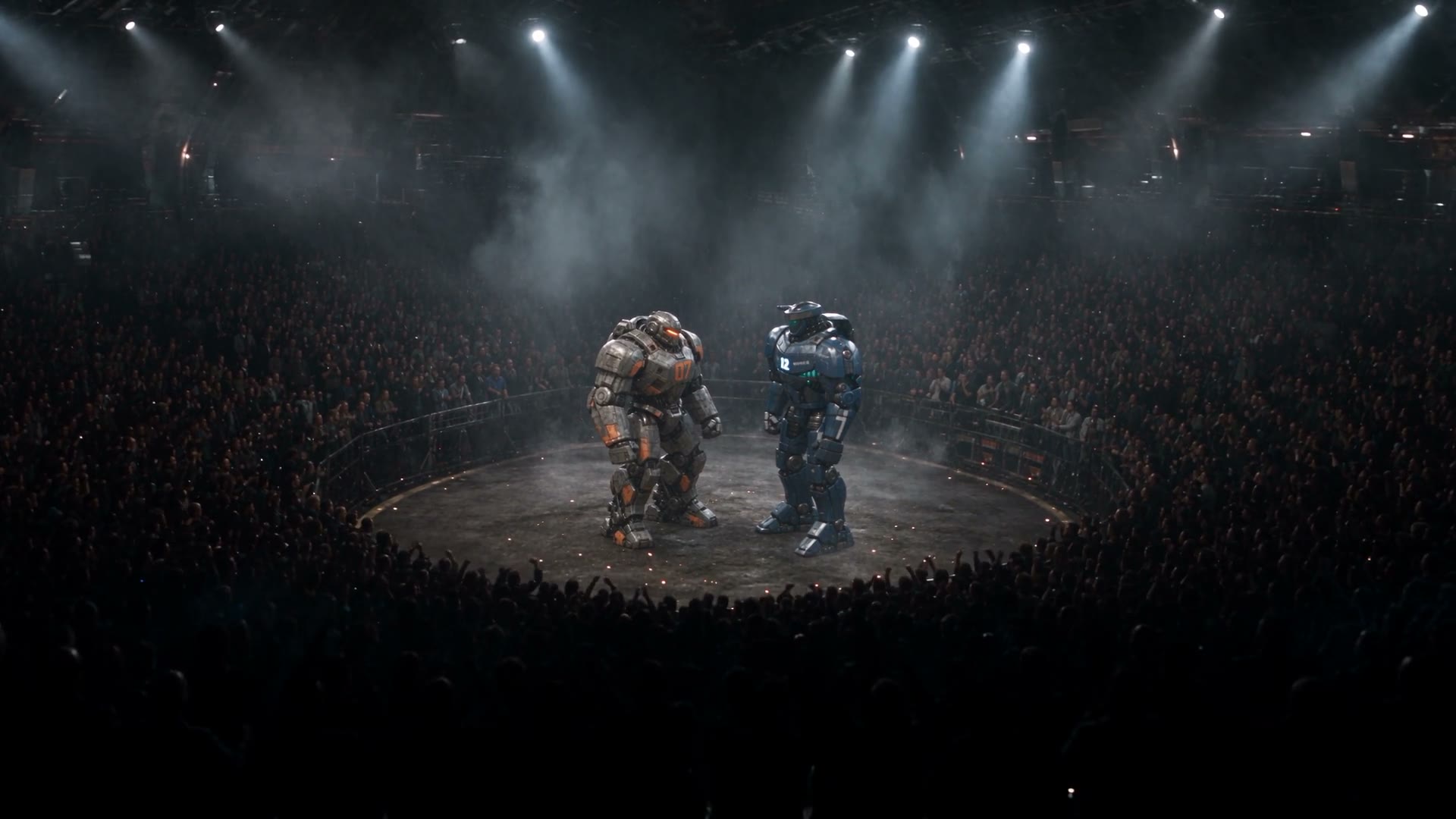
Heavy Metal League
The same system that lets a fighter pilot a 10ft robot from outside the ring could let a trained operator work in a combat zone from a safe location. The operator brings human judgement and skill. The robot takes the risk.
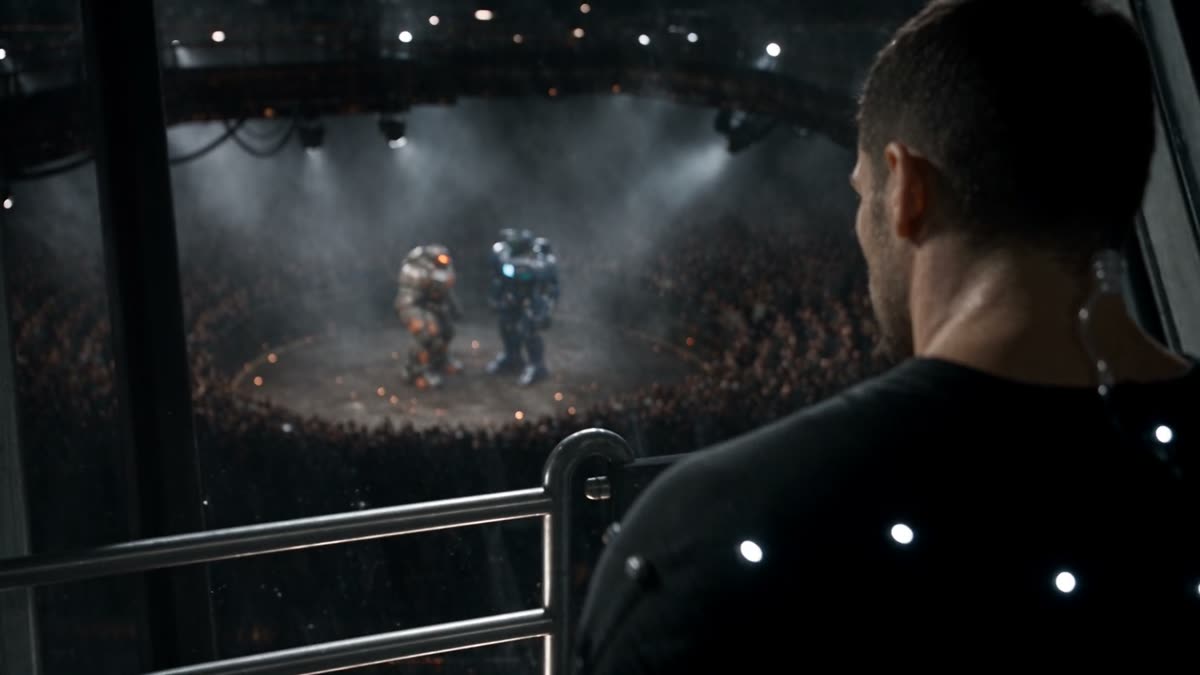
The operator works from a protected location, seeing through the robot's cameras and moving it with their own body.
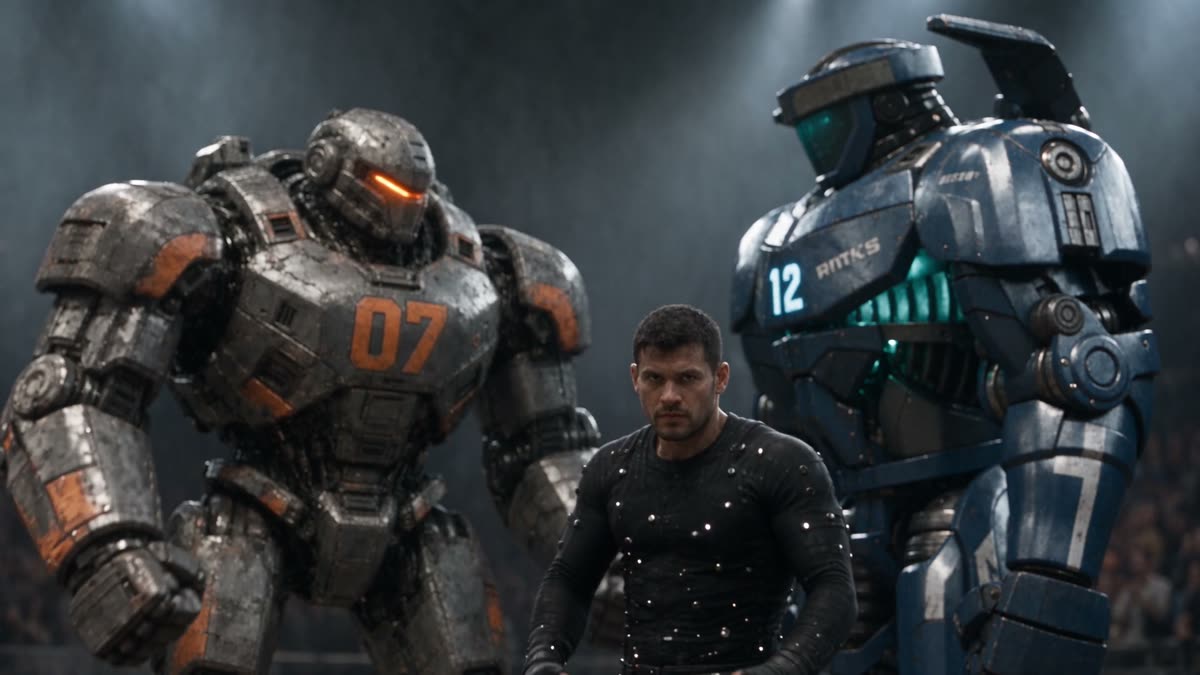
Motion capture turns natural movement into robot movement, so operators use skills they already have instead of learning a complex controller.
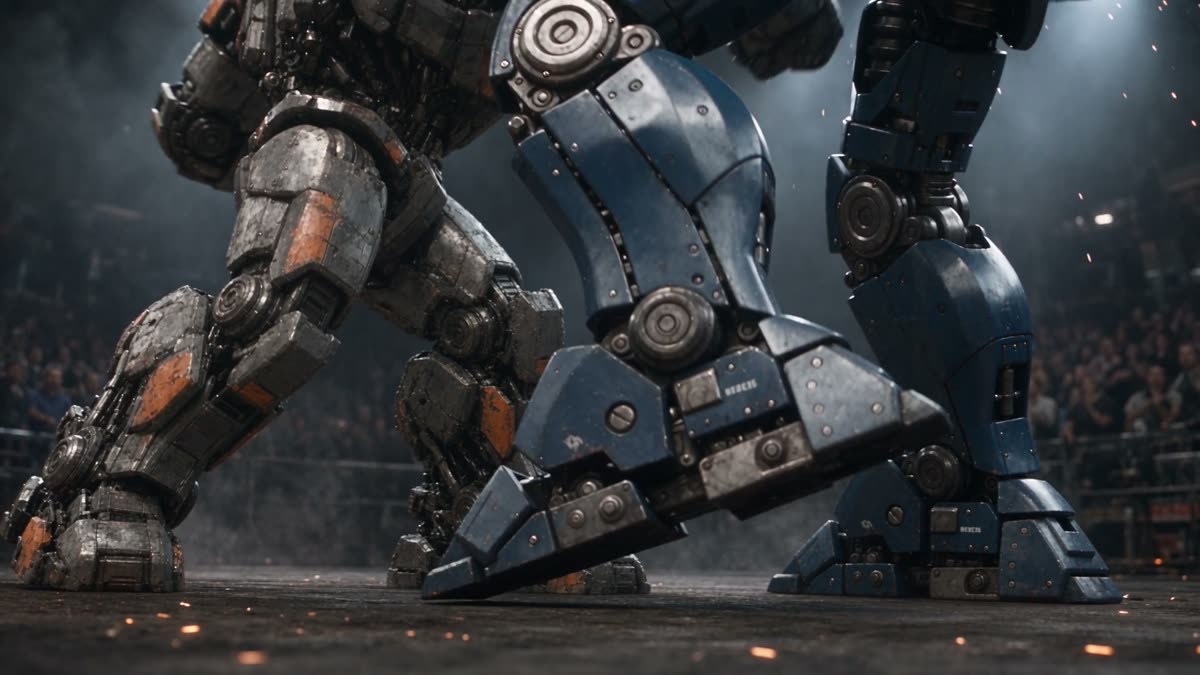
A human-shaped robot can use doors, stairs, vehicles and tools built for people, where tracked or wheeled robots struggle.
Areas where remotely operated humanoid robots could take on the most dangerous tasks in a combat zone.
Approaching and handling suspected devices with human dexterity, while the operator stays at a safe distance.
Reaching and recovering injured personnel from exposed positions without sending more people into danger.
Working in areas with chemical, biological or radiological contamination, or in unstable buildings.
Carrying supplies, ammunition and equipment across ground that is too dangerous for people.
Moving into buildings and confined spaces first, to see what is there before people follow.
Standing in the most exposed positions, such as vehicle inspections, with an operator in control from cover.
Few environments push a robot harder than a fight. Every event stress-tests the hardware, the control software and the people operating it.
Every robot is operated by a trained person. The robot copies its operator and does not make decisions on its own.
Our focus is on roles that take people out of danger, such as disposal, rescue and logistics.
Any defence work would follow export controls and the laws that apply, and would only be with approved government partners.
Defence work would be run separately from the league, which stays a sport.
We're talking to investors, engineering partners, promoters and future teams.